When I think back on the week I spent in Kigali at the Deep Learning Indaba 2025, one word keeps echoing in my head: Urunana. Meaning “hand in hand” in Kinyarwanda, it wasn’t just the theme of this year’s Indaba, it was the lived reality of the entire week.
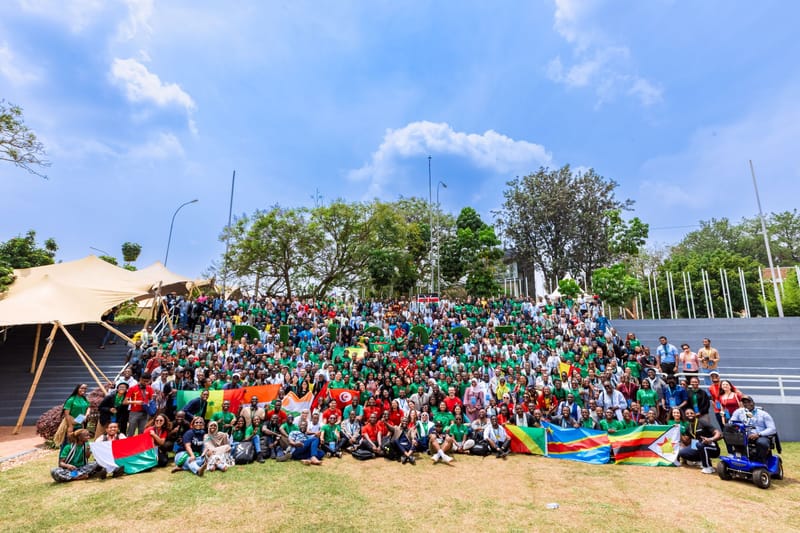
From the moment I arrived at the University of Rwanda, there was a buzz in the air. Picture hundreds of young researchers huddled in groups, swapping notes, trading code snippets, and debating the future of AI in Africa. Over 1,000 of us came together from across 40+ countries, and for the first time, the Indaba reached far beyond the walls of Kigali through the new Virtual Indaba. Friends and colleagues from Lagos, Nairobi, Kinshasa, and Accra joined online, breaking down the old barriers of visas and travel costs. It really felt like the whole continent was in the room.
Indaba Community
Scrolling through LinkedIn after the event, I realized how much others felt the same.
Benjamin Rosman captured it well
"Last week the Deep Learning Indaba brought together an inspiring community of AI scholars, practitioners, and enthusiasts from across Africa."
That sense of belonging was everywhere. Whether in a packed lecture hall or sitting outside under the Kigali sun, there was this shared conviction, AI in Africa isn’t just a dream, it’s happening now.
Amal Nammouchi was particularly excited about the growing AI4Science movement. And I could see why ,the sessions linking AI to health, climate, and finance felt urgent and deeply relevant
Vukosi Marivate reminded us of the bigger picture:
"It’s about creating spaces where African researchers lead and shape AI discourse."
And then there was Luis Serrano, who reminded everyone that Urunana wasn’t just a theme but a way of working , solidarity, collaboration, and growth together.
Inside the Indaba Sessions
In the best way possible, the Indaba program was intense. While the workshops explored the difficult but essential questions of how to create trustworthy AI, the tutorials on generative models and machine learning foundations provided us with a strong basis. How can NLP for African languages be developed? How might AI be used in healthcare and climate resilience in circumstances that are specific to Africa?
One of the highlights for me personally was the Research in Africa Showcase. It was like leafing through a book about Africa's AI future when you saw the posters, datasets, applied projects, and new algorithms that were all pertinent to the region. The Ideathon and Startup track followed, where young entrepreneurs presented audacious, imaginative concepts. I was filled with hope as I watched them. We have all been waiting for this pipeline, a generation of Africans constructing for Africa.
What I Took Away
By the last day, my head was racing, my voice was hoarse, and my notepad was full. The Indaba served as a reminder that we, as researchers, students, and businesses, are writing Africa's AI narrative together.
We weren't only guests in Kigali. We took part in creating a vision. And that goal is very clear: Africa will not only embrace AI, but also take the lead in developing AI that takes into account our beliefs, languages, and difficulties.
I was both worn out and energised when I left Kigali. I'm worn out from the week's intense pace, but I'm also inspired by the knowledge that Urunana isn't simply a conference topic. There is a movement. And I'm honoured to have contributed to it.