Africa's AI story is no longer about whether the continent can participate in the global race. It is increasingly about who owns the research, the data and the ideas that will shape AI for African realities. That conversation heads to Lagos this August as Deep Learning Indaba 2026 convenes under the theme "Sovereign Intelligence. African Scale."
Hosted at Pan Atlantic University from 2–7 August, the Indaba has grown into Africa's premier gathering for machine learning researchers, engineers, entrepreneurs and policymakers. Unlike many AI conferences dominated by product launches and corporate showcases, the Indaba is built around strengthening Africa's research ecosystem. Its programme spans technical tutorials, peer-reviewed research presentations, workshops, African dataset showcases, startup demonstrations, mentorship sessions and publication tracks, creating a space where ideas move from the laboratory to real world application.
Nigeria is a fitting host. As one of Africa's largest technology markets and home to a rapidly growing AI community, Lagos represents the scale, ambition and entrepreneurial energy driving the continent's digital transformation. The city provides an ideal backdrop for discussions on responsible AI, local language models, sovereign datasets and the commercialisation of African research.
The conference's application based attendance model and extensive financial aid programme reinforce another defining feature, talent comes before privilege. By opening doors for students, researchers and innovators from across Africa, the Indaba continues to invest in the people who will build the continent's AI future.
For founders, academics, developers and policymakers, Deep Learning Indaba is more than a conference, it's a snapshot of where African AI is heading. The conversations in Lagos will extend far beyond six days in August, shaping new collaborations, research partnerships and startups long after the closing session. As Africa moves from adopting AI to creating it, Deep Learning Indaba remains one of the continent's most important catalysts for that transition.
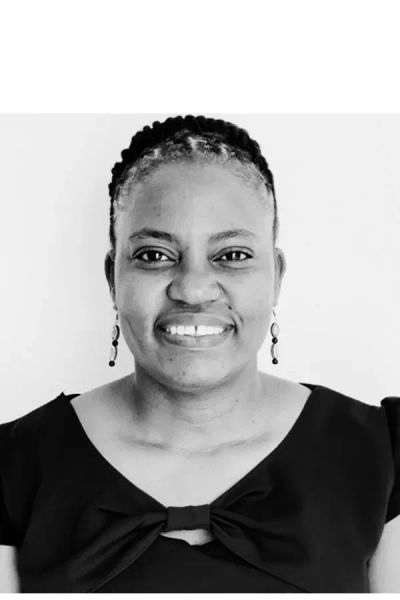
iAfrikan Podcast with Dr Abebe Birhane at Deep Learning Indaba 2024, Dakar Senegal