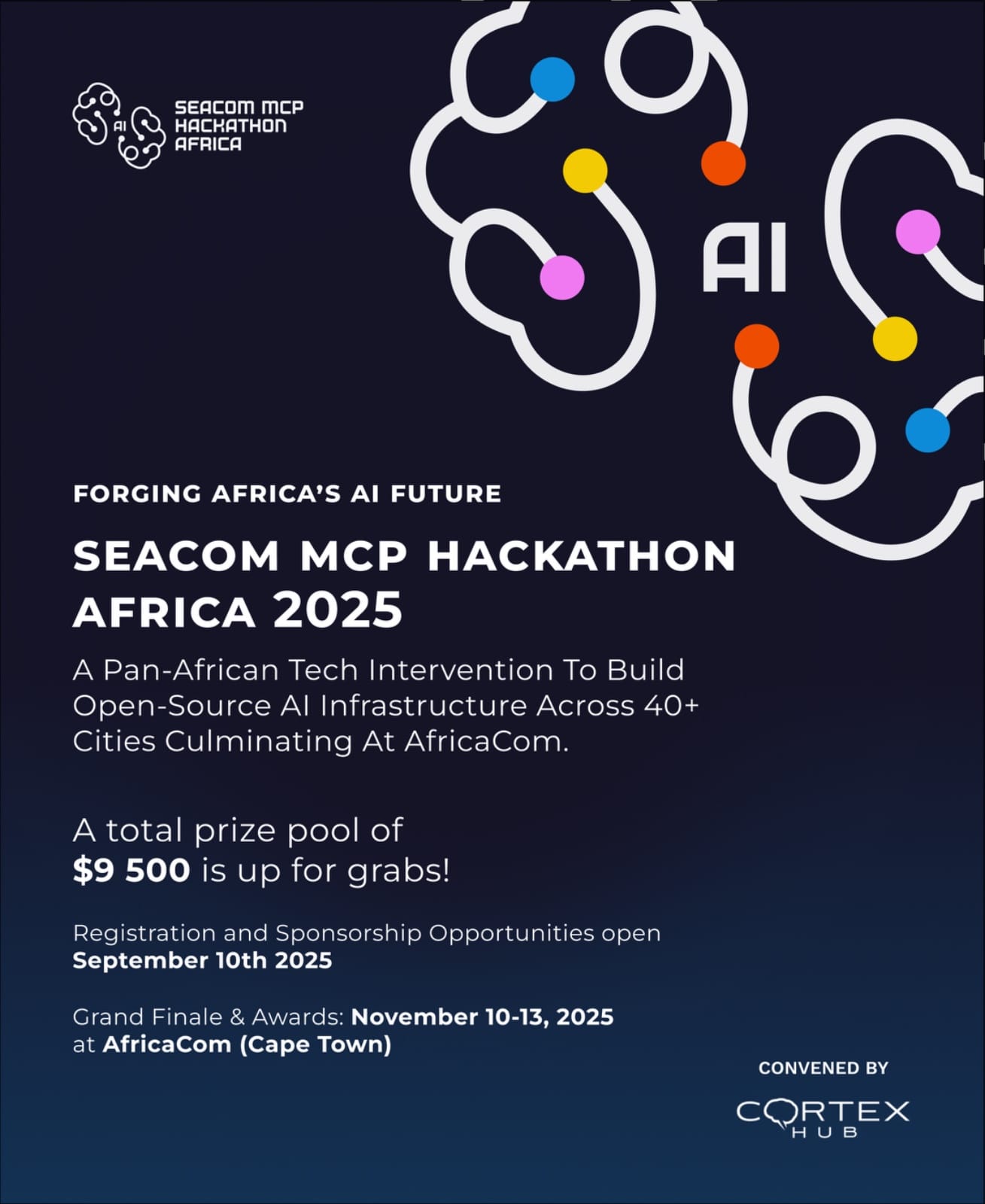
Africa is no longer waiting at the edge of the AI revolution, it’s rolling up its sleeves and writing the protocols. The MCP Hackathon Africa 2025, convened by The Cortex Hub, has launched a continent-wide sprint to make sure African languages, laws, and lived experience get built into the very plumbing of tomorrow’s artificial intelligence. The eight-week program will culminate in a continental showcase in Cape Town on 11–12 November 2025.
At the core of the event is the Model Context Protocol (MCP), an emerging open standard designed to let applications deliver structured, localized information directly into large language models and AI agents. In plain terms, MCP is a kind of “universal connector”, it gives local data sources (think municipal databases, agricultural extension services, or indigenous language databases) a reliable way to plug into advanced models so those models act with context and cultural relevance rather than treating Africa as a generic dataset. That’s the kind of infrastructure work that determines who gets to shape AI at the deepest level.
What the hackathon looks like
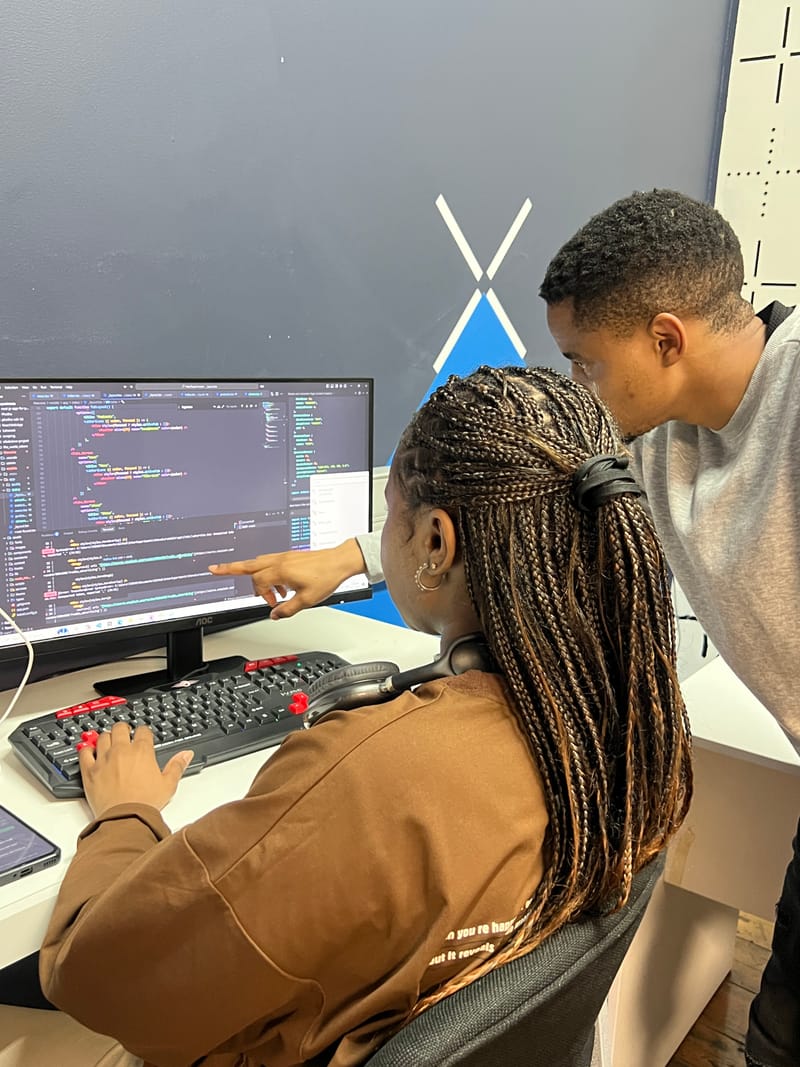
Over eight weeks, developers, researchers, startups and students across more than 40 African cities will take part in local hubs where bootcamps, mentorship and peer collaboration are available. The distributed hub model is designed to democratize access, participants work in their local contexts, then share solutions on a continental stage in Cape Town. The structure aims to ensure prototypes are pragmatic and grounded in real economic and social needs.
Organisers have set practical tracks that map to Africa’s development priorities: telecommunications, financial technology, agriculture, logistics and public services. Expect projects ranging from MCP servers that deliver hyper-local weather and market data to smallholder farmers, to secure, context-aware payment gateways for fintech, and agentic logistics tools that boost cross-border trade. The hackathon supplies starter code, documentation and learning resources so both seasoned engineers and newcomers can ship working MCP demos.
It's a chance for Africa to inscribe its cultures and priorities into the AI stack , not merely to consume foreign models but to shape them - Dr Andile Ngcaba, Cortex Hub Patron
African AI
The event isn’t hackathon theatre, it’s a strategic push for digital sovereignty. Open standards like MCP reduce dependency on closed platforms and give nations, cities and communities the ability to decide how AI interprets and acts on their data. Sponsors and industry partners are framing the initiative as the foundational work required to make Africa an active architect of global AI norms and infrastructure.
The hackathon has attracted heavyweight African tech partners, including SEACOM, CSquared, Datacentrix, Solcon Capital and Tespok, who bring connectivity, infrastructure and venture perspectives to the table. Organisers are putting up a total prize pool of $9,500 , with $5,000 for the grand prize, $3,500 for second place and US$1,000 for third. However the real upside for finalists is visibility, winners will get a platform at AfricaCom and introductions to investors, incubators and global tech leaders.
An editorial take
Too many conversations about AI in Africa have focused on applications alone. The MCP Hackathon flips that script, it asks who builds the scaffolding that AI will run on. By making protocol design , the invisible rules that govern data, access and behaviour , a pan-African project, organisers are betting that long-term influence comes from standards, not only from flashy apps. If the hackathon succeeds, the next generation of agents and AI services will be able to “speak African” in far more than a few token phrases , they’ll operate with the context that makes them useful, legal, and culturally appropriate.